Warframe: 1999 - A Y2K Nostalgia Trip Through Time and Protoframes
I remember the electric buzz in the air during that Game Awards ceremony back in 2024. I was just another Tenno, grinding away in the Origin System, when Rebecca Ford walked onto that stage. The announcement of Warframe: 1999 felt like a bolt from the blue, a promise of something radically different. Now, as we stand in 2026, looking back on its release, I can say it was more than just an expansion—it was a love letter to a bygone era, wrapped in the frenetic, high-octane action that defines Warframe.
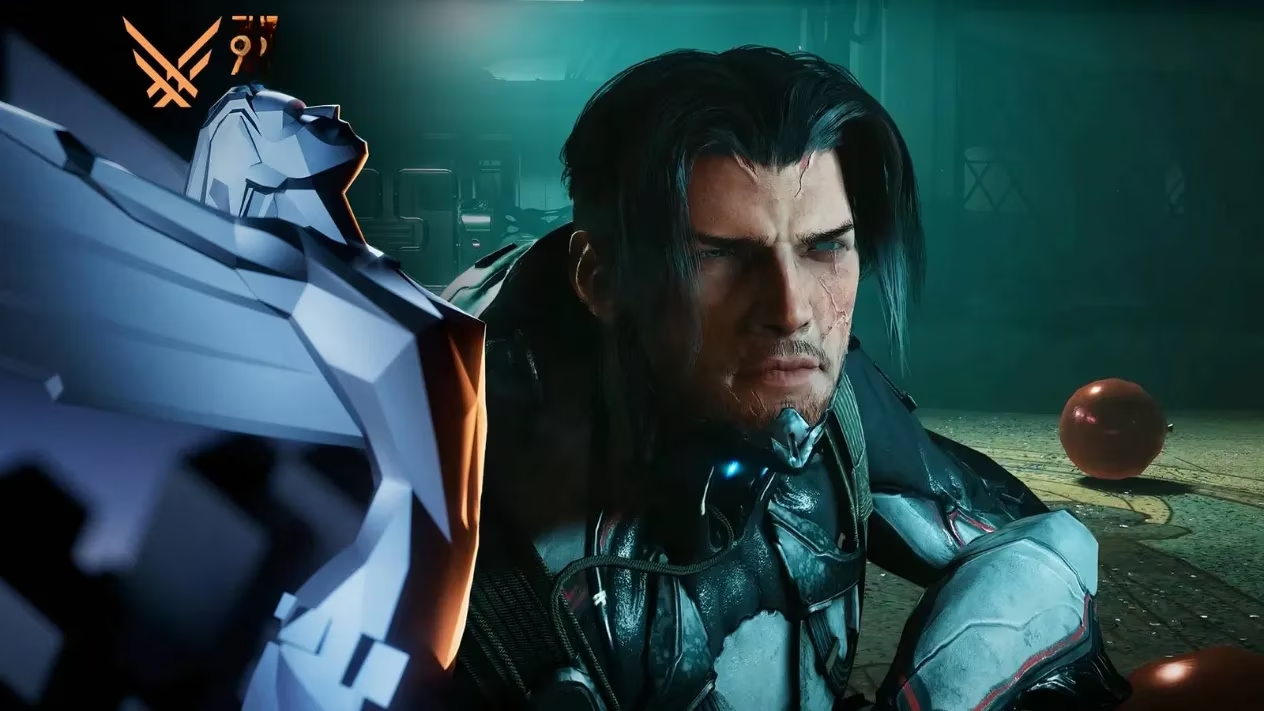
The countdown truly began on December 13th, 2024. The date itself was a clever nod, a Friday the 13th launch for a tale of technological dread. We weren't heading to another distant planet or confronting Sentient threats. Instead, the Void whisked us away to an alternate 1999, a world on the brink of the new millennium, teetering between hope and chaos. The setting was Höllvania City, a place where the glow of CRT monitors and neon signs fought against the shadows of a military occupation and a mysterious viral outbreak. This wasn't the sleek, futuristic aesthetic we were used to. This was grunge, dial-up modems, and the palpable anxiety of Y2K.
My mission? To partner with The Hex, a group of six Protoframes. These weren't the polished Warframes we command; they were the raw, experimental prototypes. The heart of this story was Arthur, the foundational blueprint for what would one day become Excalibur. Fighting alongside him and the others—Cyte-09, the 59th Warframe to join our ranks—felt like uncovering a lost chapter of history. Cyte-09’s abilities were a revelation: peering and firing through solid walls, conjuring ammunition from thin air, and melting into the background with advanced cloaking. It fundamentally changed how I approached combat.
The threats we faced were equally novel and terrifying. The Scaldra, with their corrosive, boiling attacks, and the biomechanical horrors of the Techrot, forced me to abandon my old tactics. Höllvania wasn't just a backdrop; it was a playground. I spent hours just exploring, from the sprawling, eerily quiet mall—where I could actually sit down and play a round of Caliber Chicks 2 in the arcade—to the hidden alleyways whispering with secrets. The soundtrack was pure magic, a curated mix of late-90s and early-2000s inspired rock and electronica that I still stream today.
What truly set 1999 apart were the new ways to play and connect.
New Mission Types & Social Dynamics:
-
Conclave Divide: This mode was a game-changer. For the first time, eight players were split into two rival squads of four, thrown into a tense PvPvE arena. The goal wasn't just to survive the enemy hordes, but to out-score and outmaneuver the other team. The chaos was glorious.
-
Protoframe Bonds: This system allowed for a deeper connection with The Hex members. Through shared missions and downtime in safehouses, I learned their personalities, their fears, and their hopes. These relationships could deepen into powerful combat synergies or even blossom into subtle, optional romances, adding a layer of narrative weight I hadn't experienced in Warframe before.
Of course, the expansion was packed with more than just story and social features. The loot was quintessential Warframe, but with a 90s twist.
| New Content | Description |
|---|---|
| Warframe | Cyte-09, the wall-hacking, ammo-summoning infiltrator. |
| Weapons | Two new signature weapons for the era. |
| Location | The sprawling, explorable Höllvania City. |
| Cosmetics | Nostalgia-laden suits, armor sets, and syandanas. |
| QoL Upgrades | Increased weapon and Warframe slot capacity—a blessing for collectors. |
The soul of this expansion, however, was its unabashed nostalgia. As a '90s kid myself, every corner held a secret smile. The team at Digital Extremes, led by Ford's clear passion, filled the world with Easter eggs. From the design of the computer terminals and the sound of a dial-up connection screeching in a hidden room, to posters referencing iconic late-90s media, it was a treasure hunt. Ford had said she was excited for us to find all the references, and we did. It wasn't just pandering; it was world-building that made this alternate 1999 feel lived-in and real.
The voice acting was a masterstroke, bringing immense credibility to this strange new world. Hearing industry legends like Amelia Tyler, Ben Starr, Nick Apostolides, and Neil Newbon breathe life into these proto-heroes and villains elevated the entire narrative. It made the stakes feel higher and the emotional moments land with genuine impact.
Reflecting on it from 2026, Warframe: 1999 was a bold, successful experiment. It proved that the Warframe universe could stretch far beyond its sci-fi roots into alt-history and period-piece thriller. It added rich, new lore to the mythos of the Orokin and the origins of the Warframes themselves. Most importantly, it delivered on its core promise in spades: a potent, rocking dose of nostalgia, fused perfectly with the cooperative and competitive spirit that has always defined this game. It wasn't just a trip to the past; it was a reminder of why we fell in love with this digital world in the first place, all while giving us thrilling new ways to fight for it.
Comments