Warframe Events Revisited: The Best, Worst, and What They Taught Us
In 2026, a veteran Tenno named Mira sat in her Orbiter, scrolling through the dusty archives of Warframe event history while her clan chat buzzed with debate. Someone had asked which event truly deserved the title of best or worst, and the answers poured in like a Grineer bombardment. Mira smiled. She had seen the highs and lows firsthand, from the glorious chaos of Operation: Shadow Debt to the soul-crushing grind of The Gradivus Dilemma. Events in Warframe had always been more than temporary distractions; they were experiments, stress tests, and sometimes cautionary tales. Digital Extremes used them to trial new modes, enemy types, and reward structures, and the community remembered every triumph and every misstep. As Mira recalled, the best events respected player time, built the world, and left behind meaningful loot. The worst events stumbled on bugs, rigged outcomes, or loot tables designed by a sadistic Cephalon.
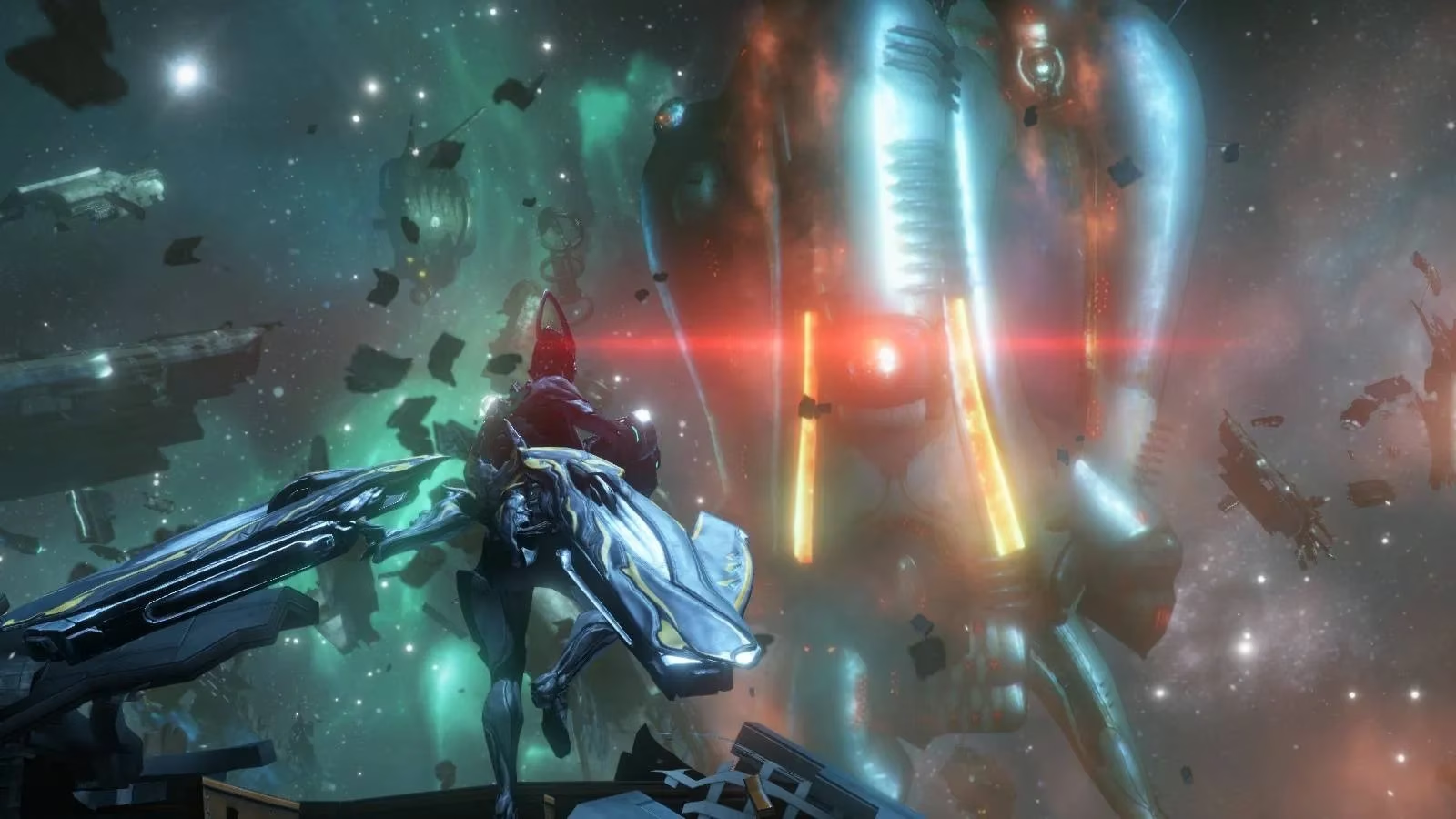
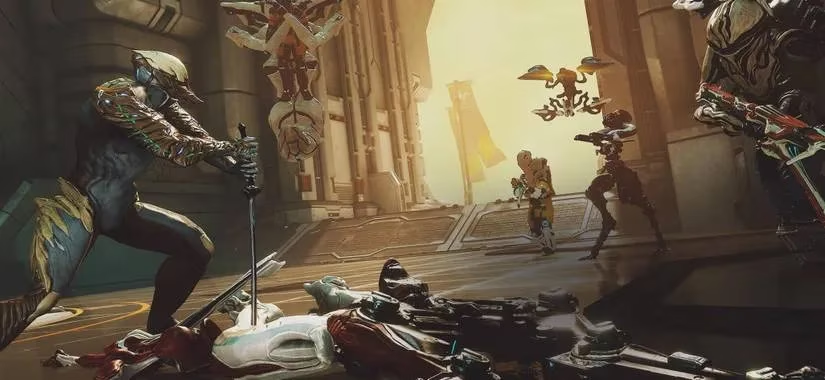
Mira began with the victories. Operation: Hostile Mergers arrived with the Jupiter remaster and introduced Disruption, an endless Mobile Defense variant with randomized modifiers. The event tasked Tenno with slaying Alad V's twisted Amalgams, and those who grinded the mode earned the powerful Spectra and Glaxion Vandal weapons. Disruption soon entered the core game, becoming a beloved endurance mode after a few drop-table adjustments. Then there was Operation: Rathuum, which overhauled Kela De Thaym and threw the nastiest Grineer into an arena. The Furax Wraith was a fine trophy, but the real prize was a new game type excellent for farming Endo. Operation: Plague Star actively altered the Plains of Eidolon, dropping an Infested meteor that spawned enemies and disrupted normal missions and Eidolon Hunts. Its reward structure respected player time, a rare virtue. Operation: Tubemen of Regor expanded the world-building with a conflict between Alad V and Nef Anyo, letting players choose a side while earning generous loot. Finally, Operation: Shadow Debt called in the favor owed by Alad V after The Second Dream. Stalker's acolytes used Warframe powers, hit like freight trains, and dropped mods that shaped the meta for years. It was, by almost every measure, Warframe's finest event.
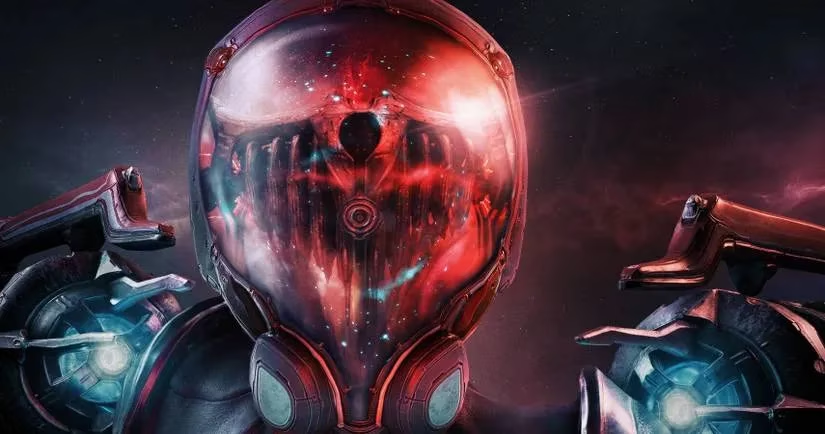
But for every Shadow Debt, there was a shadow of another kind. The Cicero Crisis asked players to scan plants and craft antitoxins, a loop so tedious that many Tenno still shudder at the memory. It did introduce the Earth Jungle tileset and elemental hybrid mods, but the gameplay felt like a botany exam during a bombardment. Operation: Eyes of Blight had a fantastic premise: defend Relays from Vay Hek's Balor Fomorians, Warframe's answer to the Death Star. In practice, Archwing was buggy, the mission type was repetitive, and the event seemed rigged. On every platform, four Relays were destroyed regardless of player progress, and the rewards only benefited Archwing. Operation: Scarlet Spear tried to prepare players for The New War with ground squads fighting Condrix and Railjack crews battling Sentient ships. The premise was incredible, but vanishing codes, unstable Railjacks, and a convoluted reward structure drove many players away. The Gradivus Dilemma introduced Invasions but locked event weapons behind 100 missions in six days, a grind so brutal it turned world-building into window dressing. And the undisputed worst was Operation: The Pacifism Defect, which introduced the universally hated Defection mode and locked the Ignis Wraith blueprint behind top-percentile clan leaderboards. The blueprint never returned, leaving countless clans locked out of 10,000 clan Affinity, and the community's generosity in giving it away for free could not fully erase the bitterness.
To make sense of the chaos, Mira and her clan assembled a simple table. It became a ritual for newer Tenno who wanted to know which events were worth studying and which were worth avoiding in retrospective discussions.
| Rank | Event | Verdict | Key Lesson |
|---|---|---|---|
| 10 | Hostile Mergers | ✅ Best | New modes can thrive when rewards respect time. |
| 9 | The Cicero Crisis | ❌ Worst | Experimental loops need fun at their core. |
| 8 | Rathuum | ✅ Best | Arena combat and Endo farming belong together. |
| 7 | Eyes of Blight | ❌ Worst | Rigged outcomes and niche rewards breed distrust. |
| 6 | Plague Star | ✅ Best | Changing the map makes events feel real. |
| 5 | Scarlet Spear | ❌ Worst | Ambitious systems collapse without polish. |
| 4 | Tubemen of Regor | ✅ Best | Player choice and world-building are powerful. |
| 3 | The Gradivus Dilemma | ❌ Worst | Grind should never eclipse the story. |
| 2 | Shadow Debt | ✅ Best | Meaningful loot and memorable foes define legacy. |
| 1 | The Pacifism Defect | ❌ Worst | Leaderboard exclusivity creates lasting resentment. |
By 2026, Warframe had cycled through countless events, but these ten remained benchmarks. Mira closed the archive and looked out at the starfield. The best events had taught Digital Extremes how to build modes that lasted, while the worst had taught the community to speak up when a grind went too far. For every Disruption that became a core mode, there was a Defection that reminded everyone of the cost of underbaked mechanics. The Tenno remembered, and that memory was its own kind of reward.
Comments