Warframe's Greatest Quests Still Define Its Story in 2026
In 2026, Warframe remains one of the most unusual success stories in live-service gaming: a free-to-play space-ninja looter-shooter whose cinematic quests rival premium RPGs. Digital Extremes has expanded the Origin System with later chapters, open worlds, and new factions, yet the ten missions below still form the narrative backbone that new Tenno are urged to experience. They mix mystery, horror, revenge, and family drama with the kind of spectacle that turns a grinding session into a memorable story beat. Spoiler warning: the following retrospective discusses major plot twists from across Warframe's quest library.
Quick Ranking at a Glance
| Rank | Quest | Why It Matters |
|---|---|---|
| 1 | The Sacrifice | Reveals the origins of Warframes through Excalibur Umbra and delivers Warframe's most emotional revenge story. |
| 2 | The Second Dream | The first cinematic quest; answers core questions about Tenno, Warframes, and the Lotus while unlocking the Focus system. |
| 3 | Chains of Harrow | A rare horror-themed quest that introduces Rell and The Man in the Wall. |
| 4 | Octavia's Anthem | A creative Bard Warframe quest with a memorable Mandachord finale against Hunhow. |
| 5 | Sands of Inaros | Explores Baro Ki'Teer's origins and the cruelty of the Orokin on Mars. |
| 6 | The War Within | Explores Operator origins and Tenno history, even if its hype outpaced its mechanics. |
| 7 | Saya's Vigil | The best introductory quest, seamlessly teaching players about Cetus, Eidolons, and Gara. |
| 8 | Vox Solaris | Introduces Fortuna and Venus while telling a heartbreaking story of cyborg laborers. |
| 9 | Natah | Reveals the Lotus's true identity and awakens the Sentient threat. |
| 10 | Apostasy Prologue | A short but seismic prologue that sets the Lotus's betrayal in motion. |
1. The Sacrifice
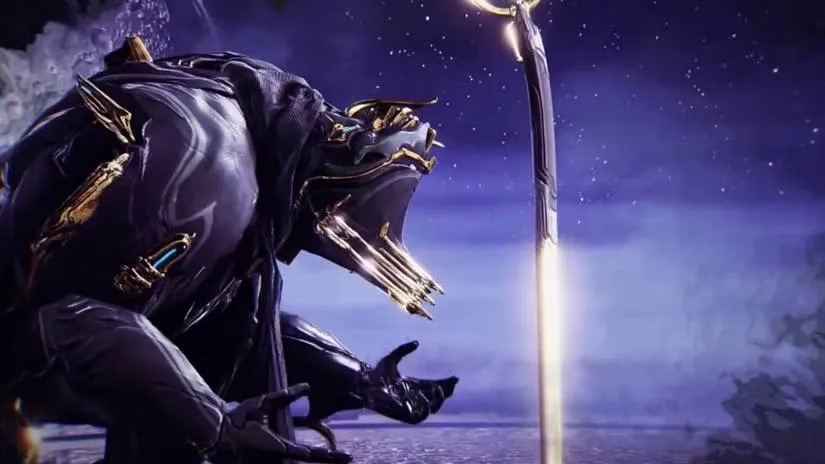
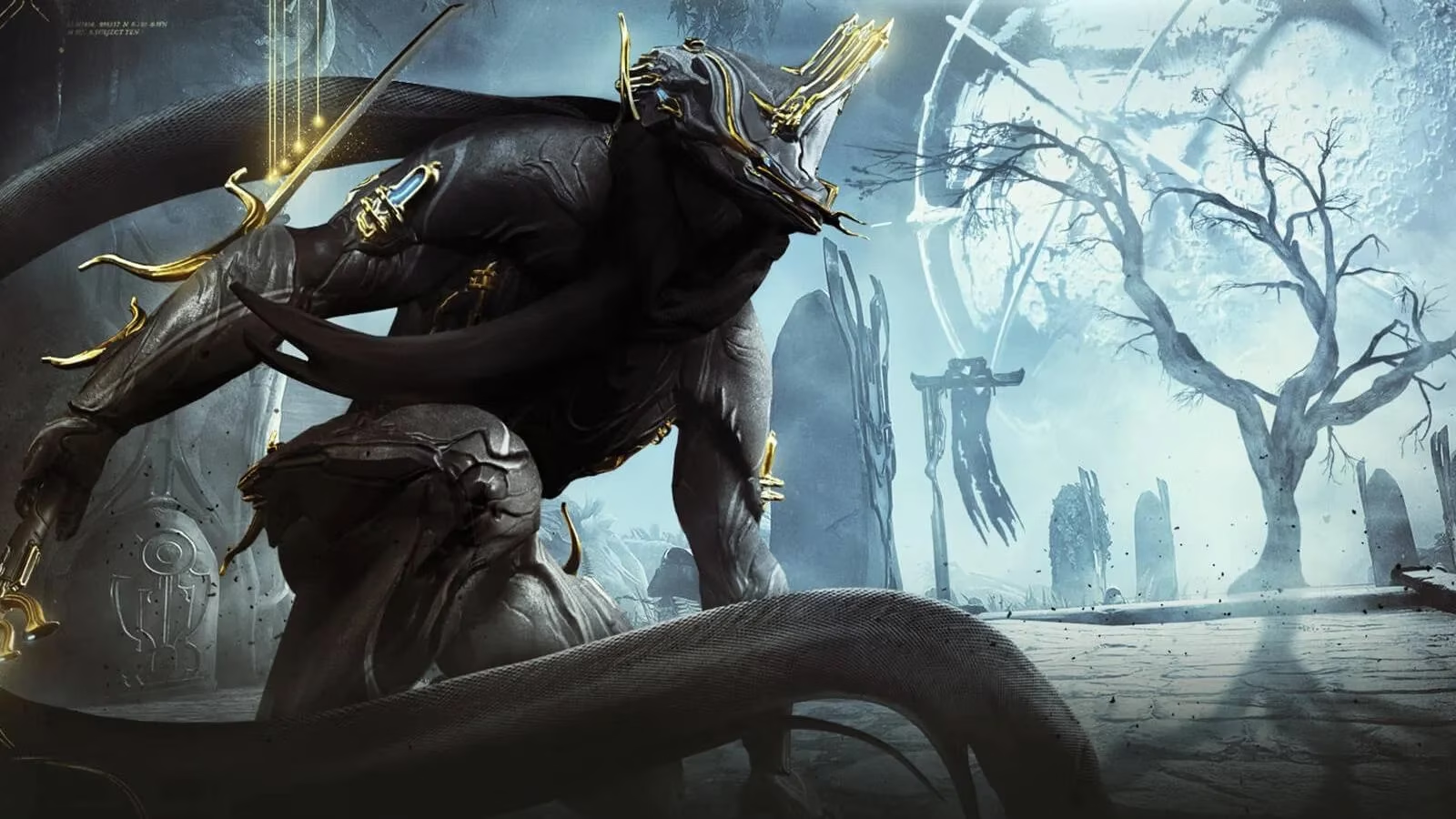
Once billed as Warframe's newest mainline cinematic, The Sacrifice remains the gold standard for storytelling in the game. It does not rely on a new mechanic to impress; instead, it explains why Warframes exist by focusing on one tortured frame, Excalibur Umbra. Unlike other Warframes, Umbra can move and act without an Operator, making him both a threat and a tragedy. The quest expands the lore of the Sentient and Orokin factions while forcing players to confront why the Tenno turned against their creators. Few missions in Warframe leave players feeling as vengeful or sorrowful as this one.
2. The Second Dream
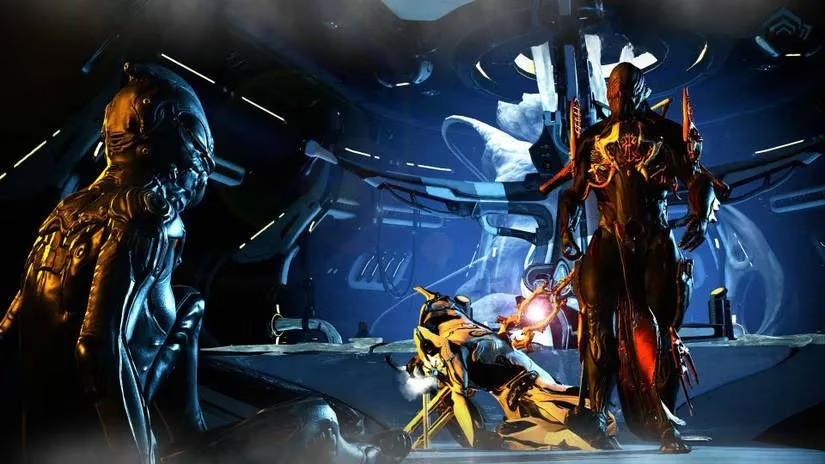
The Second Dream is the quest that changed Warframe forever. It was the game's first cinematic quest and answered questions that had lingered for years: How do Warframes work? What are the Sentients? Why is the Lotus so protective? By uncovering the Moon and racing against Hunhow and the Stalker, players learn the true nature of the Tenno. The quest also introduced the Focus system, adding five distinct skill trees for excess affinity. In 2026, it remains essential reading for any player who wants to understand Warframe's narrative identity.
3. Chains of Harrow
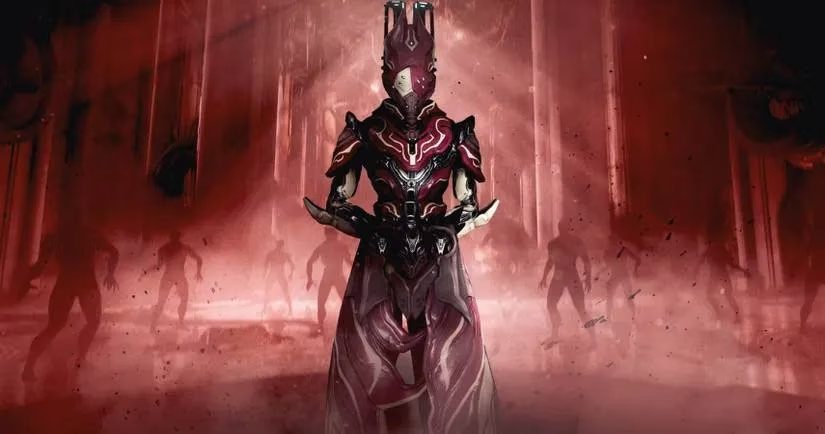
Making a horror quest in a game about overpowered Warframes sounds impossible, yet Digital Extremes succeeded with Chains of Harrow. The story centers on Rell, an Operator haunted by The Man in the Wall, a strange entity that corrupts minds. Freeing Rell from Harrow should end the nightmare, but the quest's most chilling moment comes afterward: The Man in the Wall is real, and it begins to haunt the player, occasionally appearing in the Orbiter to whisper 'Hey, kiddo' before vanishing. It is a brilliant psychological twist that still unsettles veterans.
4. Octavia's Anthem
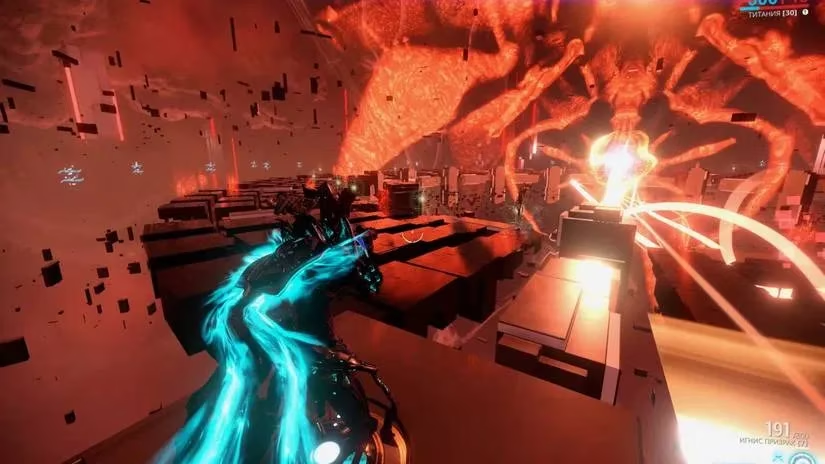
Octavia's Anthem is one of Warframe's most creative quests. It guides players toward Octavia, a Bard Warframe who can create music, while Hunhow returns to threaten Cephalon Suda. The buildup is filled with memorable dialogue, but the finale stands out: players simulate Octavia's Mandachord, jumping over deadly lasers to play a track that purges Hunhow from Suda's mind. It is a rare fusion of story, music, and gameplay that no other Warframe quest has matched.
5. Sands of Inaros
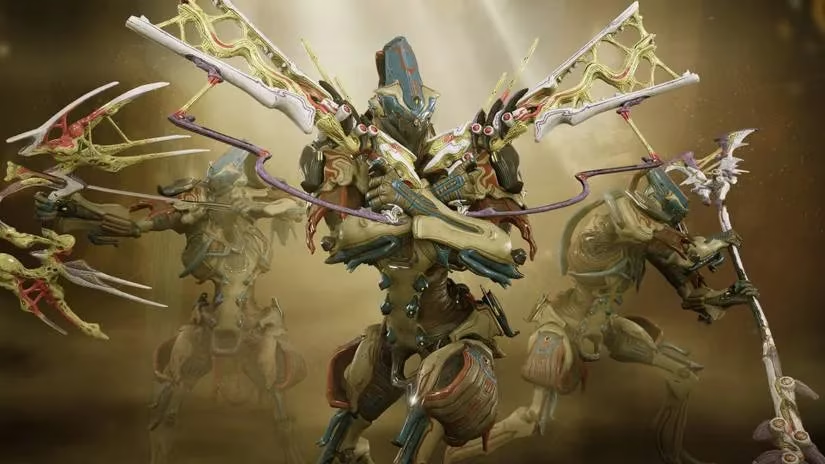
Baro Ki'Teer may be known as the bi-weekly vendor who sells exotic goods, but Sands of Inaros gives him a compelling origin story. The quest explores his backwater tribe on Mars and shows how inhumane the Orokin could be. It also reveals how less advanced humans saw Warframes as prophetic figures. Completing the quest unlocks Inaros, a tanky and powerful Warframe, but the real reward is a darker piece of Martian history.
6. The War Within
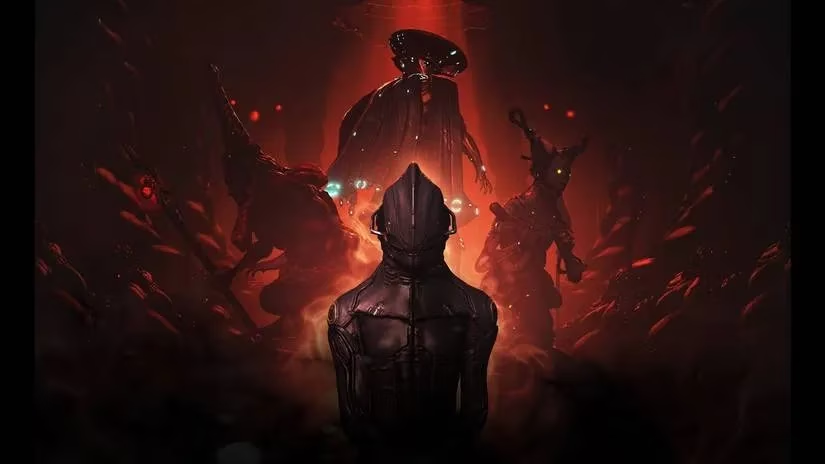
The War Within is often called the weakest mainline cinematic quest, but that label is relative. It explores the Operator's origins and how the Orokin lived for so long, with Teshin taking the lead instead of the Lotus. The quest also unlocked Riven Mods, a mechanic that felt disconnected from the story but became central to endgame customization. Despite uneven pacing, its lore revelations remain vital to understanding the Tenno's old ways.
7. Saya's Vigil
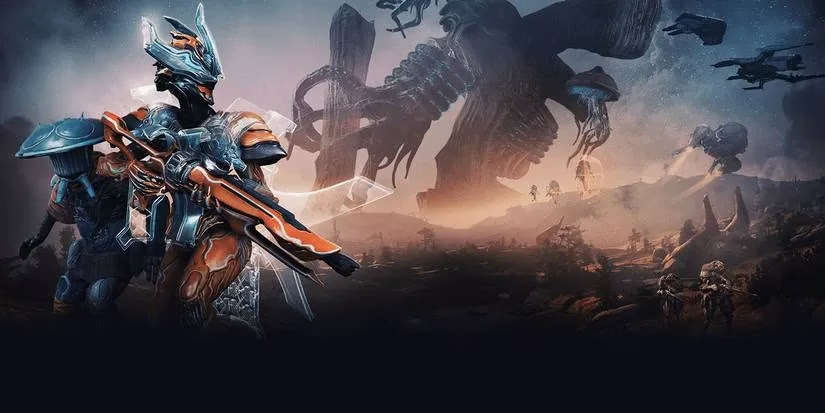
Among Warframe's introductory quests, Saya's Vigil is the strongest. It introduces Cetus, the Plains of Eidolon, the Eidolons, and the Gara Warframe through a personal mystery: Saya's husband has gone missing in the Plains. The search reveals how Gara saved Cetus and eventually identifies the missing husband as Onkko, a leading member of the Quills. The quest teaches players about an entire open-world region without feeling like a tutorial, and its emotional payoff makes it unforgettable.
8. Vox Solaris
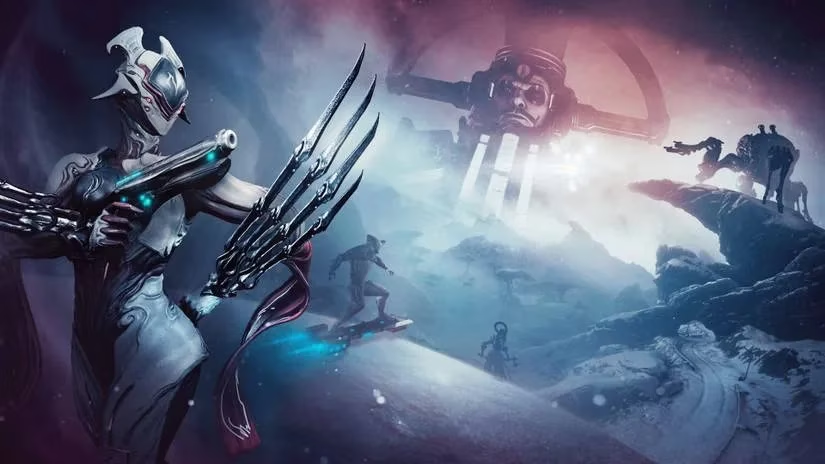
Vox Solaris brings players to Fortuna, a neon-lit town on Venus where cyborg laborers struggle under Nef Anyo. The quest asks players to sabotage an Orokin terraforming tower so that Anyo looks incompetent in front of investors, buying the town short-term relief. While the missions lean on horde-mode defense objectives, the story is surprisingly heartbreaking. It gives Venus a human face and remains one of Warframe's best open-world introductions.
9. Natah
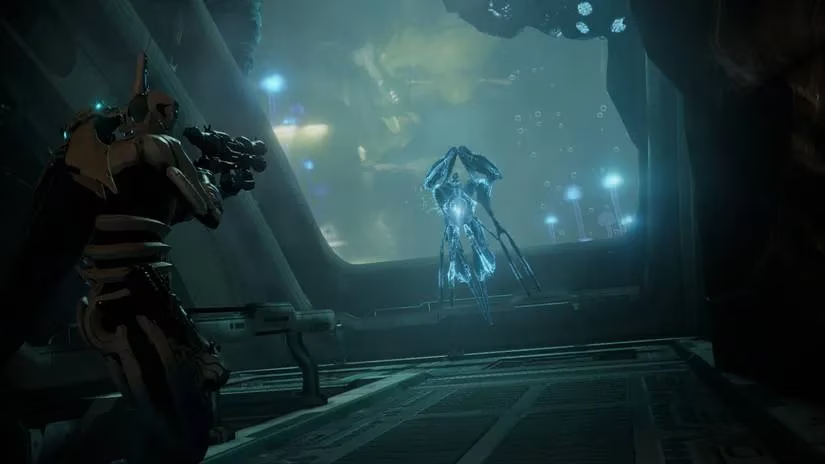
Natah shattered the community's image of the Lotus. Was she the protective mother figure Tenno trusted, or a Sentient spy? The quest sends players behind her back with Teshin, introduces Sentient drones on Uranus, and reveals Natah's true identity. It also awakens Natah's father, making it the catalyst for the Sentient faction's return. The mission is not the longest, but its revelations echo through nearly every later story beat.
10. Apostasy Prologue
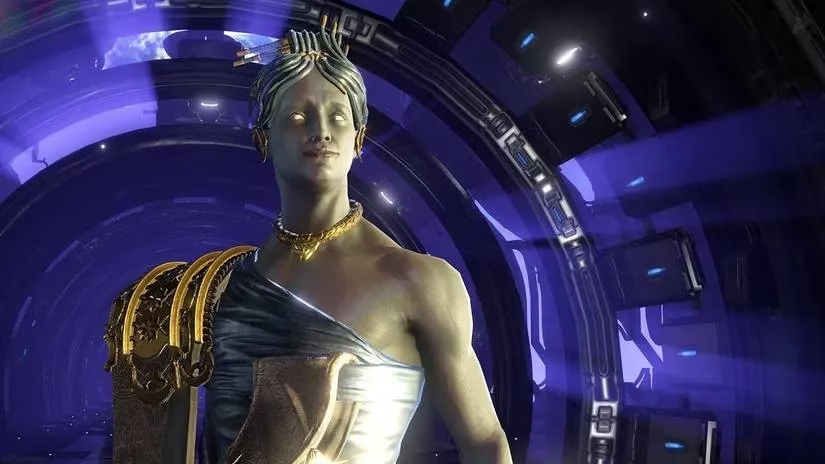
The Apostasy Prologue lasts around ten minutes, but it delivers one of Warframe's biggest plot twists. A strange purple orb appears in the Orbiter and transports the player to Lua, where the Lotus is seen in person for the first time. Ballas arrives, seemingly mind-controlling her and taking her away. The quest sets the Sentient invasion and Lotus's betrayal in motion, reverting her to the terrifying Sentient known as Natah. It is a short prologue with enormous consequences.
Why These Quests Still Matter in 2026
Warframe's newer updates have added more open worlds, factions, and cinematic chapters, but these ten quests remain the clearest path into the game's soul. They show how Digital Extremes grew from making a grind-heavy shooter into a studio capable of genuine narrative ambition. For new players, they are milestones worth chasing. For veterans, they are reminders of why the Origin System still feels worth defending. 🚀
-
Start with the cinematic chain: The Second Dream, The War Within, and The Sacrifice form the core of Warframe's main story.
-
Play for atmosphere: Chains of Harrow and Vox Solaris prove that Warframe can do horror and social drama.
-
Do not skip the prologues: Natah and Apostasy Prologue are short but essential to understanding the Lotus.
-
Expect emotional payoffs: Saya's Vigil and Sands of Inaros turn side stories into memorable character studies.
In a live-service landscape crowded with seasonal content, Warframe's best quests stand out because they respect the player's time and curiosity. They reward attention to lore, deliver strong twists, and make the Tenno's long war feel personal. That is why, even in 2026, these missions remain the heart of the Warframe experience. 🌌
Comments